Wednesday, 3 October 2012

JOLLY PHONICS

http://www.youtube.com/watch?v=XVMxVMzfzWo&feature=player_embeded#t=0s


Teaching Literacy with Jolly Phonics
What is Jolly Phonics?
Jolly Phonics is a fun and child centred approach to teaching literacy through synthetic phonics. With actions for each of the 42 letter sounds, the multi-sensory method is very motivating for children and teachers, who can see their students achieve. The letter sounds are split into seven groups as shown below.
Letter Sound Order
The sounds are taught in a specific order (not alphabetically). This enables children to begin building words as early as possible.

How does Jolly Phonics work?
Using a synthetic phonics approach, Jolly Phonics teaches children the five key skills for reading and writing. Complemented by Jolly Readers and Jolly Grammar, it provides a thorough foundation for teaching literacy over three years in school.
1.Learning the letter sounds
Children are taught the 42 main letter sounds. This includes alphabet sounds as well as digraphs such as sh, th, ai and ue.
2.Learning letter formation
Using different multi-sensory methods, children learn how to form and write the letters.
3.Blending
Children are taught how to blend the sounds together to read and write new words.
4.Identifying the sounds in words (Segmenting)
Listening for the sounds in words gives children the best start for improving spelling.
5.Tricky words
Tricky words have irregular spellings and children learn these separately.

Tuesday, 25 September 2012

Whole Body Listening

Eyes - look at the person talking to you
Ears - both ears ready to hear
Mouth - Quiet - no talking, humming or making sounds
Hands - quiet in lap, pockets or by your side
Feet - quiet on the floor
Body - faces the speaker
Brain - thinking about what is being said
Heart - caring about what the other person is saying

Monday, 24 September 2012

Learning To Fill Buckets


Mr. Phillips read the book "Have You Filled a Bucket Today? "

Carol McCloud wrote a book called "Have You Filled A Bucket Today? (A Guide to Daily Happiness For Kids)". The premise of the book is the idea that we all carry an invisible bucket that contains our feelings. When our bucket is full, we feel great. When our bucket is empty, we feel sad. A bucket filler is someone who says or does nice things for other people. By doing this, they are filling other people's buckets and filling their own bucket at the same time.
On the other hand, a bucket dipper says or does things to cause other people to feel bad. A bucket dipper empties their bucket when they say and do mean things.


Our class is earning stars for our bucket - today we got our first star for having everybody "whole body" listening. We can earn stars for our bucket by being kind, caring and helpful because when we do these things we are filling the buckets of others.


Friday, 21 September 2012

SOAP

Today in Science we looked at 8 different bars of soap. We compared them by looking at the shape, size and color. We also compared the smells. We decided some smell really good and some dont smell good. One bar was very slippery even when it wasn't wet. Some bars were rough and bumpy. One bar was shaped like a shower head and one reminded us of a pickle.


Thursday, 20 September 2012

Terry Fox Run

  On Thursday October 27th our class will celebrate the heroic efforts and legacy of Terry Fox. We will read about Terry Fox and what he did as a young man - how he said "I Can". At 11:15 we will join the other Kindergarten classes for a few laps around the field in Terry's memory. Any donations for the Terry Fox Foundation can be brought to the school office or classroom.


Even if I don't finish, we need others to continue. It's got to keep going without me.
Terry Fox

Tuesday, 18 September 2012

A Hike in the Woods


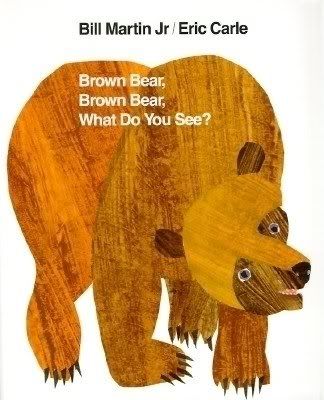
Today we read the book "Brown Bear Brown Bear What Do You See?" After reading this favorite childrens story we went for a hike in the forest behind the school to see what we could see...........See full size image


We saw lots of green things. We saw trees, logs, spider webs, roots, rocks, moss and so much more. We also went over a bridge and saw small fish swimming and bugs skimming on top of the water. When we got back to class we drew pictures of what we saw

Wednesday, 12 September 2012

Science Experiments

This year we will learn to be scientist.
Today we did our first science experiment. We looked at the problem and then each decided which hypothesis we thought to be true. Next we each did the experiment and then recorded our observation and conclusion with a drawing.

Today's experiment:

Problem: What happens to raisins when they are dropped in a cup of pop
Hypothesis:   A. They will dissolve
                     B. They will sink and explode
                     C. They will dance up and down
                     D. They will float
Conclusion: They dance up and down as they catch a ride on the bubbles


This is a great experiment to try at home - your child can explain why raisins will dance in pop but not other liquids